Signs Your Artificial Grass Needs Repair
If you notice signs your artificial grass needs repair, local contractors can assess and fix issues to restore its appearance and functionality effectively.
If your artificial grass shows signs of wear or damage, it could be time to consider professional repair services. Property owners in the area often turn to local contractors when noticing issues such as uneven surfaces, faded color, or areas where the turf appears to be lifting or detaching. Recognizing these early indicators can help maintain the aesthetic appeal and functionality of your outdoor space, ensuring it continues to look its best for years to come. Keep reading to learn more about common signs that your artificial grass may need attention and how local experts can assist with restoring its appearance and performance.
Understanding when artificial turf requires repair can save property owners from more extensive damage down the line. Things like persistent bald patches, loose seams, or areas with accumulated debris can all point to underlying problems that benefit from professional intervention. Local service providers have the skills to evaluate and address these issues efficiently, helping to extend the life of your turf and keep it looking fresh. Exploring these signs now can help you stay ahead of potential repairs and connect with experienced contractors who can handle the job effectively.
- Artificial turf repair - signs your artificial grass needs repair include uneven surface areas and visible seams that may require professional patching or re-seaming by local contractors.
- Drainage issues - pooling water or soggy patches can indicate underlying damage, prompting local service providers to evaluate and restore proper drainage.
- Fading or discoloration - significant color loss or patchy areas often signal the need for turf rejuvenation or replacement handled by experienced local pros.
- Wear and tear - high foot traffic areas showing bald spots or torn sections may need patching or reinforcement from local contractors skilled in turf repairs.
- Invasive weeds or pests - the presence of unwanted plants or insect activity can suggest turf damage, with local service providers able to assess and perform necessary repairs.
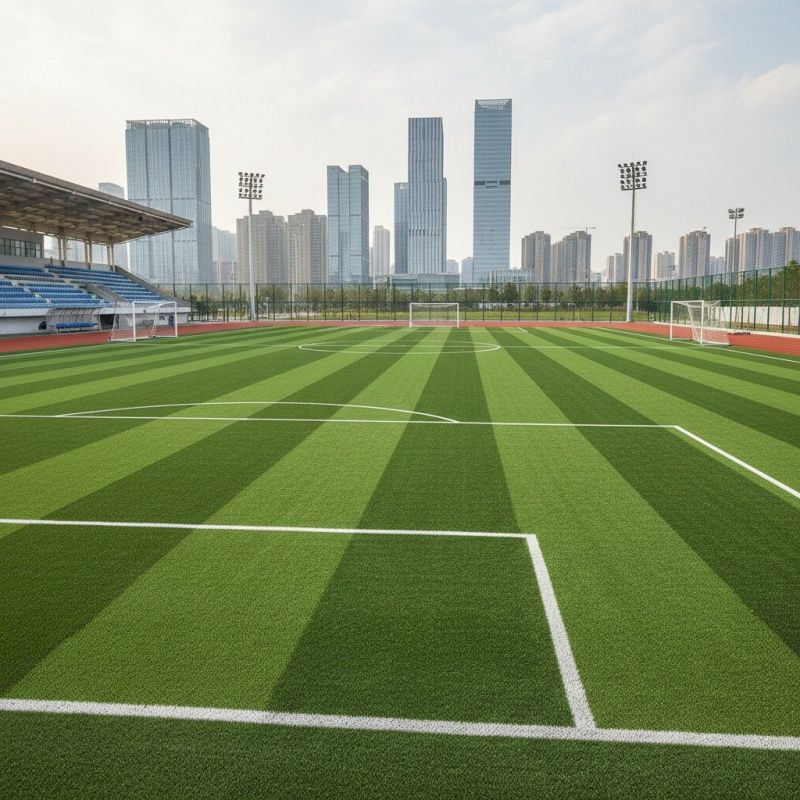
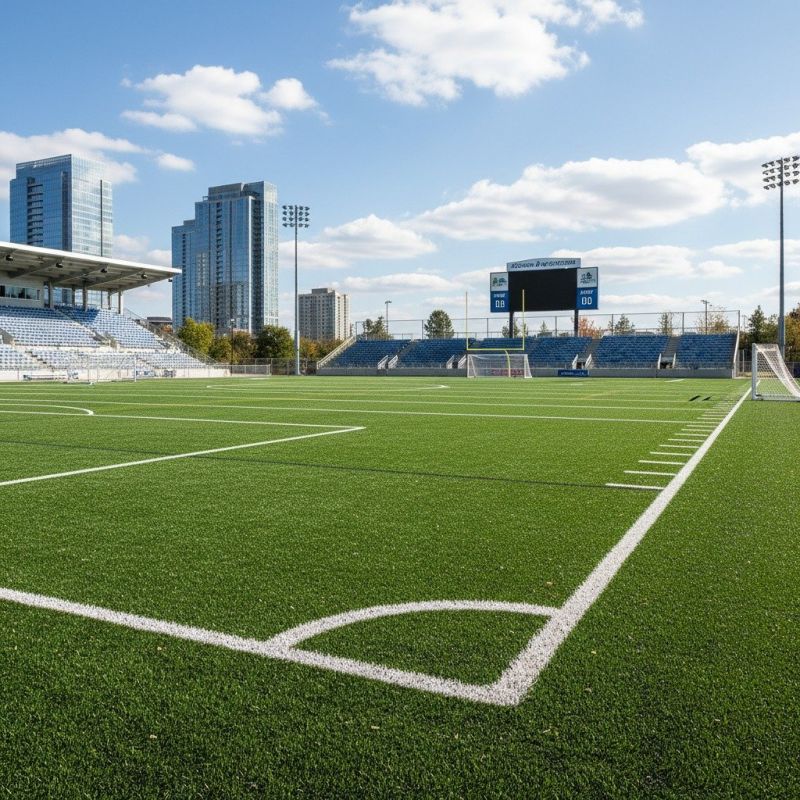
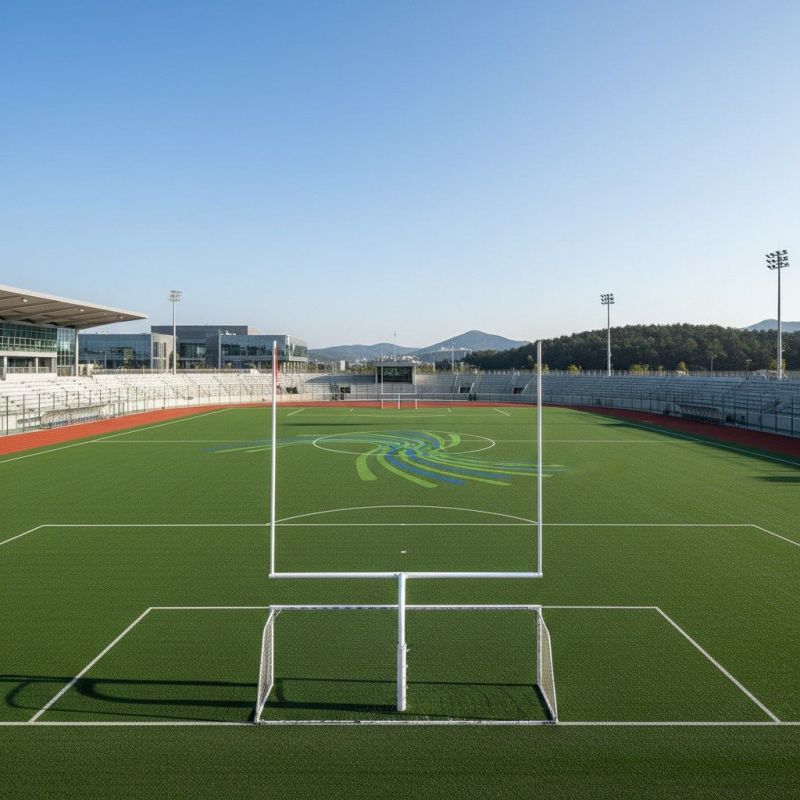
When homeowners search for signs your artificial grass needs repair, they are often trying to identify issues that compromise the appearance, safety, or functionality of their synthetic turf. Artificial grass is a popular choice for lawns, play areas, putting greens, and decorative landscaping, making its condition important for both aesthetic appeal and practical use. People typically look for visible indicators like bald patches, uneven surfaces, or areas where the turf has become loose or displaced. Recognizing these signs early can help prevent further damage and ensure the artificial grass continues to serve its intended purpose effectively.
Common problems associated with artificial grass that signal the need for repair include matting or crushing of the fibers, which results in a flattened, less natural look. Over time, heavy foot traffic or frequent use can cause the turf to develop bald spots or thin patches. Additionally, issues like seams coming apart, edges lifting, or infill material shifting can lead to an uneven surface that may pose tripping hazards. These issues often stem from improper installation, aging, or exposure to harsh weather conditions, and addressing them promptly can extend the lifespan of the turf and maintain its visual appeal.
The types of properties that frequently encounter these problems span residential yards, commercial landscapes, sports facilities, and recreational areas. Homes with artificial lawns often notice wear and tear in high-traffic zones or areas exposed to the elements. Commercial properties that feature synthetic grass for decorative purposes or outdoor seating areas may see signs of damage after storms or seasonal changes. Sports fields or playgrounds with artificial turf are particularly susceptible to rips, tears, or uneven surfaces due to consistent use. In all cases, identifying signs that the turf needs repair can help property owners determine when to seek assistance from experienced service providers.
Local artificial turf repair professionals play a vital role in restoring damaged or worn-out sections of synthetic grass. They can assess the extent of the damage, recommend appropriate repair solutions, and perform necessary work such as seam re-adhesion, infill replacement, or patching bald spots. Connecting with these specialists ensures that repairs are handled efficiently and correctly, helping property owners maintain a safe, attractive, and functional artificial grass surface. Recognizing the signs that your artificial grass needs repair is an important step in preserving its appearance and usability, making it worthwhile to consult experienced local contractors when issues arise.
Landscape Design Projects - Planning and installing new landscapes often require knowledge of terrain and surface materials, similar to assessing and repairing artificial turf issues.
Drainage System Installations - Proper drainage is essential for artificial grass longevity, making drainage work a related skill set for maintaining turf integrity.
Ground Preparation Services - Preparing the sub-base for various landscaping projects involves skills that are also important for fixing and leveling artificial grass.
Synthetic Surface Installations - Installing sports courts or playground surfaces with synthetic materials shares techniques used in turf repair and maintenance.
Soil and Turf Repair - Restoring damaged or uneven ground in garden or sports areas involves similar planning and surface repair skills as artificial grass restoration.
Irrigation System Repairs - Ensuring proper watering systems are functional relates to maintaining turf health and identifying issues requiring repair services.
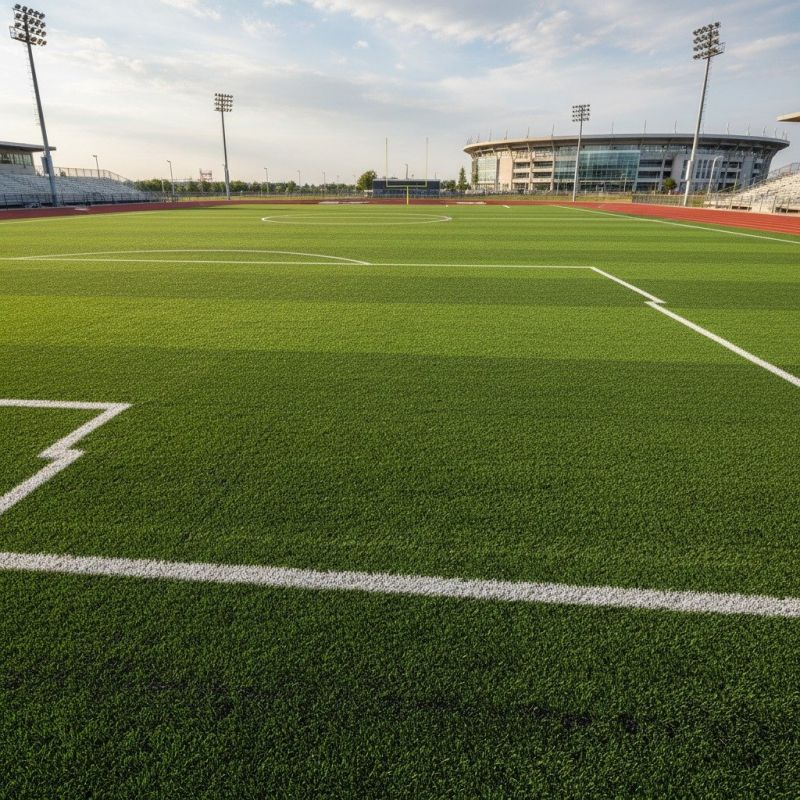
When evaluating service providers for artificial turf repair, it’s important to consider their experience with similar projects. Homeowners should inquire about the types of repair work the contractors have handled in the past, such as fixing seams, replacing damaged sections, or addressing underlying issues that cause uneven surfaces. A contractor with a proven track record of successfully completing repairs on artificial grass can provide reassurance that they understand the unique challenges of turf maintenance and can deliver results that restore both appearance and functionality.
Clear, written expectations are essential when comparing local contractors for artificial turf repair. Homeowners should seek detailed estimates that outline the scope of work, materials to be used, and the steps involved in the repair process. Having these details in writing helps ensure everyone is aligned on what the project entails, reduces misunderstandings, and provides a basis for evaluating the quality of service. Transparent communication about what to expect also allows homeowners to assess whether a contractor’s approach aligns with their needs and standards.
Reputable references and good communication are key factors when choosing a service provider for artificial grass repair. Homeowners are encouraged to ask for references or reviews from previous clients who had similar repair work done. This can provide insights into the contractor’s reliability, work quality, and professionalism. Additionally, service providers who communicate clearly and promptly respond to questions demonstrate a level of professionalism that can make the repair process smoother and more predictable. Prioritizing these qualities helps ensure the chosen contractor will deliver satisfactory results and a positive overall experience.
Property owners often search for signs your artificial grass needs repair when they are planning practical projects around their homes and businesses. Local pros provide Artificial Turf Repair services for everyday jobs and straightforward project options.
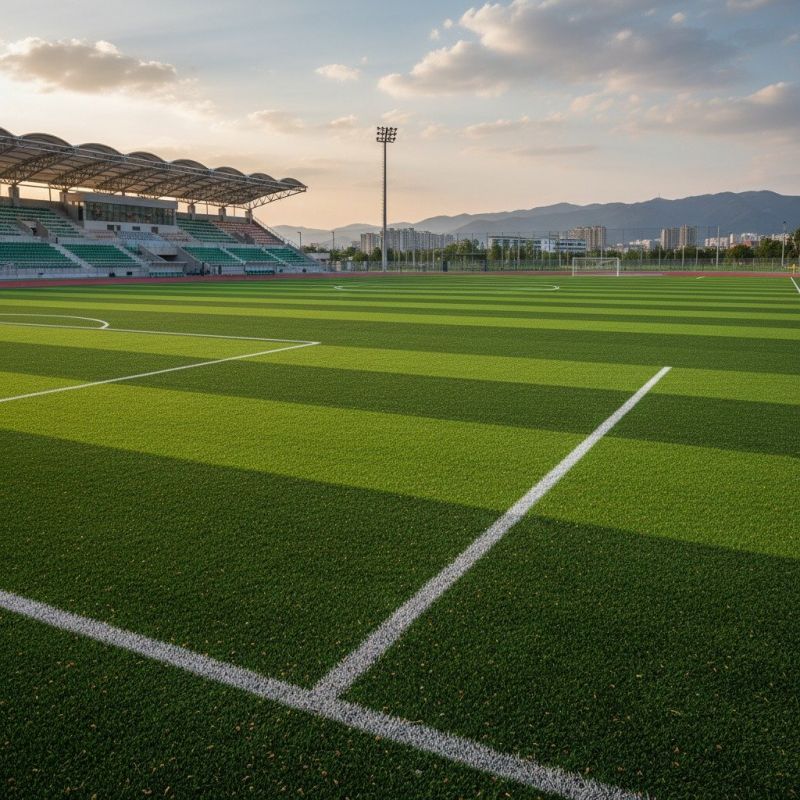
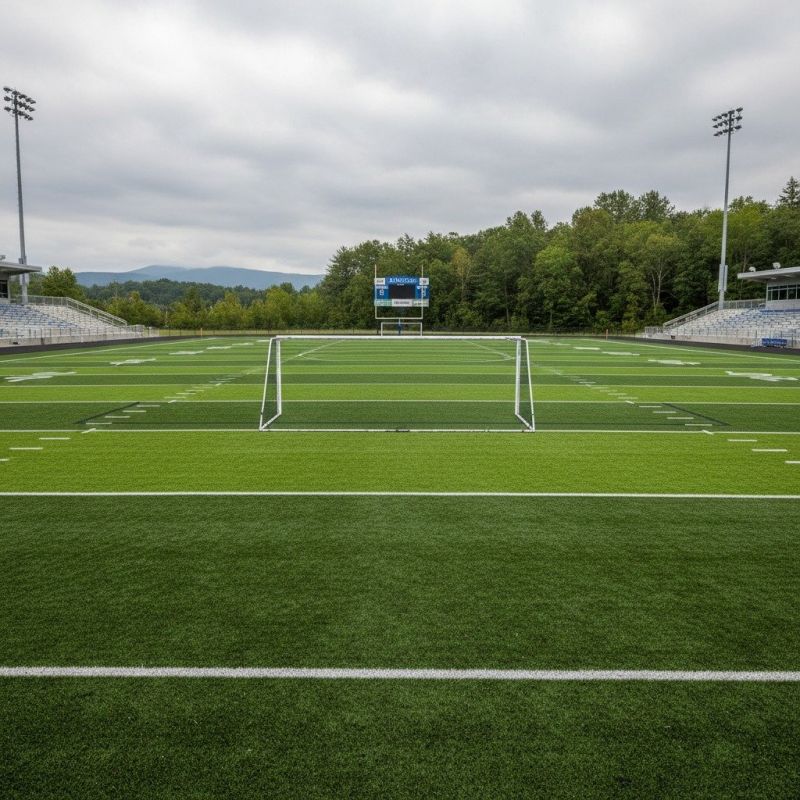
Property owners in the area might notice uneven patches or areas where the artificial grass appears to be lifting or shifting. These issues can occur over time due to heavy foot traffic, improper installation, or natural ground settling. When such irregularities become apparent, it could be a sign that the turf needs repair to restore its appearance and functionality. Local contractors who specialize in artificial turf repair can assess these signs and recommend appropriate solutions to keep outdoor spaces looking neat and safe.
Another common indicator that artificial grass may require attention is the presence of bald spots or areas where the fibers have become flattened or frayed. This can happen from prolonged use, pet activity, or exposure to harsh weather conditions. Additionally, visible seams or edges that are coming apart can compromise the turf’s integrity. Property owners observing these signs are encouraged to reach out to experienced service providers who can perform repairs, helping to extend the life of the artificial grass and maintain a consistent, attractive landscape.
How can I tell if my artificial grass has uneven patches? Uneven patches or areas that appear lifted or sagging are signs that your artificial turf may need repair from local contractors who specialize in turf restoration.
What indicates that my artificial grass has sustained damage? Visible tears, rips, or areas where the turf fibers are frayed or missing are common signs that repair services from local pros are needed to restore the surface.
Why does my artificial grass feel lumpy or bumpy? Lumps or bumps can result from improper installation or underlying issues, and local service providers can assess and fix these problems to ensure a smooth surface.
How do I know if my artificial turf is experiencing drainage problems? Standing water or persistent sogginess after rain may indicate drainage issues, which can often be addressed by local contractors with turf repair expertise.
What are signs of infill displacement or compaction? If the infill material appears uneven, displaced, or the turf feels overly firm, it suggests that repair from local pros may be necessary to restore proper cushioning and stability.
Uneven or sagging areas can indicate underlying damage that requires professional repair to restore a smooth, level surface.
Visible tears or frayed edges suggest the turf has experienced wear and may need patching or seam reinforcement by local contractors.
Persistent bald spots or worn patches highlight areas where the turf has deteriorated and could benefit from replacement or repair services.
Unusual odors or mold growth may signal drainage issues or moisture buildup, prompting inspection and repair by experienced service providers.
If you are thinking about signs your artificial grass needs repair for a property, this guide is meant to help you understand this topic, the typical project types, and how different options might fit your plans.
When you are ready, you can use the quote form on this page to share a few details about your project. From there, local pros can review the basics and follow up with options that match what you have in mind.